Give Thanks In All Circumstances: Finding Gratitude When Life Isn’t Perfect
Finding Gratitude and God's Goodness amid Life's Imperfections

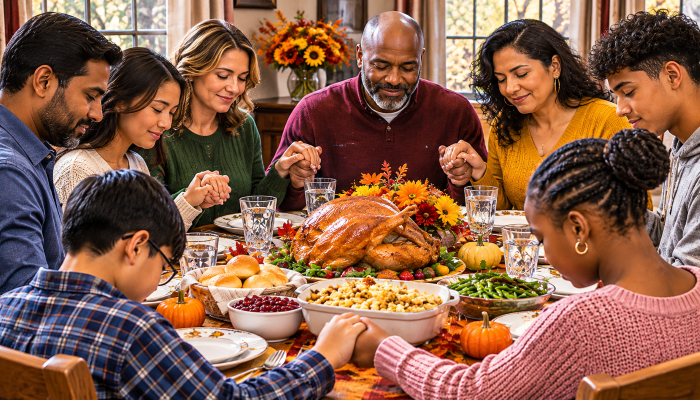
To give thanks in all circumstances isn’t always easy, especially for blended families. Thanksgiving should be a joyful celebration, but complicated parenting schedules, family tensions, and unmet expectations can make the holiday challenging.
Perhaps your stepchildren are spending Thanksgiving with their other parent. Maybe financial pressures have changed your plans, or family relationships remain strained. Whatever your circumstances, Scripture offers an important reminder about gratitude.
Notice Scripture encourages us to give thanks in all circumstances, not necessarily for every circumstance. That small distinction carries a powerful message for families navigating life’s difficulties.
Giving Thanks In, Not For, Every Circumstance
Imagine a stepdad who’s spent weeks planning Thanksgiving with his stepchildren. He’s looking forward to sharing a meal, watching football, and creating memories. Then, an unexpected parenting schedule change means the children won’t be joining him.
Naturally, he’s disappointed. Does God expect him to be thankful his plans fell apart?
Not at all. Giving thanks in that situation doesn’t mean celebrating the disappointment. Instead, it means recognizing God’s goodness despite circumstances beyond his control.
He can appreciate that his stepchildren are safe, that he has opportunities to love them, and that another celebration is possible.

When Thanksgiving Isn’t Picture-Perfect
Social media often portrays Thanksgiving as a flawless family gathering. Everyone smiles around a beautifully decorated table, the turkey looks magnificent, and nobody argues about who makes the best stuffing.
Real families rarely follow that script.
Blended families may face additional challenges, including divided loyalties, unfamiliar traditions, and children missing a biological parent. Meanwhile, stepdads may feel uncertain about their place in celebrations that existed before they joined the family.
However, these challenges don’t mean your family is failing. They reflect the reality of bringing different histories and expectations together.
Instead of measuring your Thanksgiving against an idealized celebration, appreciate the small victories. Perhaps your stepson helped prepare dinner, your stepdaughter shared a laugh, or everyone enjoyed a peaceful meal.
Those moments matter.
Gratitude Doesn’t Mean Pretending Everything Is Fine
Some Christians mistakenly believe gratitude means always feeling happy. Consequently, they hesitate to acknowledge disappointment, fearing it reflects insufficient faith.
Yet Scripture never asks us to pretend our struggles don’t exist.
David expressed anguish in the Psalms. Job questioned his suffering, and Jesus wept when Lazarus died. Their experiences remind us that faith and difficult emotions can coexist.
You can love your stepchildren while feeling discouraged by their reluctance to accept you. Likewise, you can appreciate your marriage while acknowledging the difficulties of co-parenting.
Gratitude doesn’t erase those feelings. Instead, it prevents our struggles from becoming the only things we see.
Five Ways Stepdads Can Practice Gratitude
Gratitude becomes more meaningful when we put it into action. Here are five practical ways to develop thankfulness within your blended family.
1. Recognize Small Blessings
Not every blessing arrives as a dramatic answer to prayer. Sometimes, it’s a peaceful conversation, an unexpected hug, or an evening without conflict.
Each day, identify three things you’re thankful for.
2. Focus on What You Can Control
You can’t always control parenting schedules, your stepchildren’s reactions, or decisions made in another household. However, you can control your response.
If Thanksgiving plans change, acknowledge your disappointment before considering alternatives. Perhaps celebrating the following weekend could become a special family tradition.
3. Express Appreciation Out Loud
Family members don’t always realize how much we appreciate them. Therefore, make gratitude visible through specific words of encouragement.
Instead of simply saying, “Thanks for helping,” try, “I appreciated you helping with dinner tonight. It made my evening easier.”
These small acknowledgments help stepchildren recognize their contributions matter.
4. Turn Gratitude Into Service
Helping others offers a meaningful way to express thankfulness. Consider volunteering at a community Thanksgiving meal, delivering groceries, or preparing care packages for people in need.
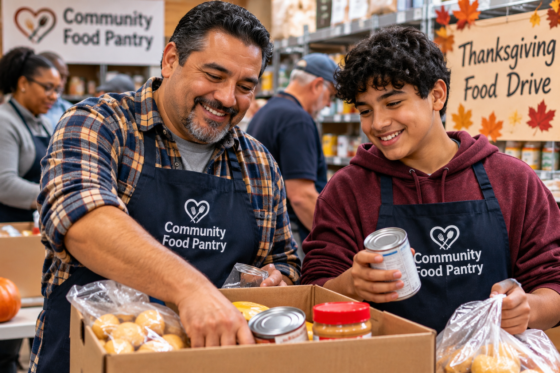
Serving together also gives blended families opportunities to build connections without the pressure of complicated family expectations.
5. Thank God When Life Doesn’t Make Sense
Some challenges don’t have easy explanations. Relationships may remain strained despite your efforts, or financial difficulties may continue longer than expected.
During these seasons, gratitude becomes an expression of trust rather than a response to favorable circumstances.
Sometimes, the most meaningful prayer is simply, “Lord, I don’t understand what’s happening, but thank You for walking with me through it.”
Teaching Stepchildren Gratitude Without Forcing It
Children learn gratitude by watching adults, but they also need permission to express genuine emotions.
Imagine your stepdaughter is upset because she can’t spend Thanksgiving with both biological parents. Telling her to appreciate the family she has may unintentionally dismiss her disappointment.
Instead, acknowledge her feelings: “I understand why you’re sad. It’s difficult when you can’t be with everyone you love. I’m thankful we’re together, and I want to make our time special.”
This compassionate response demonstrates that sadness and gratitude can coexist. More importantly, it helps build trust rather than resentment.

This Thanksgiving, Choose Gratitude Over Perfection
Thanksgiving doesn’t require a flawless family, a perfectly prepared meal, or a holiday without disappointment. It offers an opportunity to recognize God’s goodness amid life’s imperfections.
For blended families, that may mean appreciating those gathered around the table while missing loved ones who couldn’t attend. It may also mean celebrating small improvements in relationships that still need time to heal.
Sometimes, the greatest blessing isn’t getting the Thanksgiving we imagined. It’s discovering that love, faith, and gratitude can flourish in the Thanksgiving we actually have.
A Thanksgiving Prayer
Heavenly Father, thank You for the blessings You’ve placed in our lives. Help us recognize Your goodness when circumstances are difficult. Give stepdads wisdom, patience, and compassionate hearts as they love and guide their families. Comfort those who are hurting, strengthen relationships needing healing, and remind us Your faithfulness never changes. In Jesus’ name, Amen.
Continue Building a Grateful Family
Gratitude is more than a Thanksgiving tradition. It’s a habit that strengthens relationships throughout the year. For additional encouragement, read Raising Grateful Kids in a Blended Family on Support for Stepdads.
Happy Thanksgiving from Support for Stepdads!
About the Author
In 1995, Gerardo became a stepdad to two children, a boy and a girl, ages 14 and 10. In 2011, he started Support for Stepdads to help strengthen blended families and reduce the challenges that contribute to family breakdown. His website encourages and supports stepfathers, aspiring stepfathers, and the women who love them worldwide. Follow Support for Stepdads on X and Facebook.