
When Trust Gets Broken: How Stepdads Can Repair The Relationship
Nine Practical Ways to Restore Trust, Rebuild Connection, and Strengthen Your Blended Family


Rebuilding trust with stepchildren begins with understanding how valuable that trust is and how deeply its loss can affect a relationship. Trust means being willing to be vulnerable, to believe someone will keep their word, and to feel safe in a relationship that may have begun with uncertainty. But what happens when that trust is broken?
Perhaps you promised to attend your stepdaughter’s school performance but forgot. Maybe you lost your temper during an argument with your stepson and said something you now regret. Or perhaps you shared something your stepchild told you in confidence, believing your spouse needed to know.
Whatever the circumstances, the result can be painful. A child who once enjoyed spending time with you may suddenly become distant, guarded, or openly resentful. Rebuilding trust with your stepchild begins with recognizing their hurt and demonstrating that your words and actions can be relied upon again.
For stepdads, that change can be discouraging, especially when you’ve worked hard to build the relationship. However, damaged trust doesn’t necessarily mean the relationship is beyond repair. With humility, patience, and consistent effort, it’s often possible to rebuild what was damaged and, in some cases, develop an even stronger relationship.
Why Broken Trust Hurts So Much in Blended Families
Trust is important in every family, but blended families often begin with additional emotional challenges. A stepchild may already have experienced divorce, separation, parental conflict, or the disappointment of adults making promises they couldn’t keep. Even when a child’s biological parents have handled their separation thoughtfully, the transition can create uncertainty.
Your arrival introduces another adult into an already complicated family structure. The child may wonder whether you’re dependable, whether you’ll respect their relationship with their biological father, or whether you’ll eventually leave. These concerns don’t necessarily mean your stepchild dislikes you. They may simply reflect a desire to protect themselves from another disappointment.
When trust is broken, the incident can reinforce those existing fears. For example, missing a basketball game might seem like a relatively minor mistake to an adult juggling work and family responsibilities. But to a child who has repeatedly experienced disappointment, it may feel like confirmation adults can’t be counted on.
The incident itself matters, but so does the meaning the child attaches to it.
Understanding the emotional perspective is the first step toward repairing the relationship.
1. Take Responsibility Without Making Excuses
When we disappoint someone, our natural reaction is often to explain why it happened. We might say, “I was exhausted from work,” “Your attitude pushed me too far,” or “I didn’t realize it was such a big deal.” Although these explanations may contain some truth, they can sound like attempts to minimize responsibility.
A sincere apology might sound like this:
“I promised I’d be at your game, and I wasn’t there. I know you were counting on me. I let you down, and I’m sorry.” Notice what’s missing. There’s no attempt to blame the child, justify the mistake, or demand forgiveness.
Taking responsibility doesn’t mean accepting blame for everything that goes wrong in the family. It means acknowledging your part without shifting responsibility to someone else.

Scripture offers a reminder about the importance of humility in our relationships.
Humility allows a stepdad to admit he’s wrong without believing he’s surrendering his authority or losing his dignity. In fact, children often develop greater respect for adults who can acknowledge their mistakes.
2. Listen to Understand, Not to Defend Yourself
After apologizing, give your stepchild an opportunity to explain how they feel. This may be uncomfortable. You might hear anger, disappointment, or criticism that seems unfair. Resist the temptation to interrupt, correct their interpretation, or immediately defend your intentions.
Instead, ask questions that invite an honest conversation.
– “Can you help me understand what hurt you most?”
– “How did you feel when that happened?”
– “What could I have handled differently?”
– “What would help you feel more comfortable with me again?”
Then listen carefully. One useful approach is the 70/30 rule: aim to spend roughly 70 percent of the conversation listening and 30 percent speaking. This isn’t a scientific formula, but it can remind us that understanding should come before explaining.
You don’t have to agree with every accusation to acknowledge the emotions behind it. For example, if your stepdaughter says, “You never care about anything that’s important to me,” you might respond:
“I can understand why missing your performance made you feel that way. I know it was important to you.” That’s different from agreeing you never care. You’re acknowledging her experience without turning the conversation into a debate.
Listening without becoming defensive demonstrates emotional maturity. It also makes it safer for your stepchild to speak honestly in future conversations.
3. Rebuild Trust Through Actions, Not Just Words
An apology acknowledges the damage. Making amends demonstrates your commitment to repairing it.
Suppose you embarrassed your stepson by criticizing him in front of his friends. Saying you’re sorry is important, but the repair also requires changing how you address his behavior. You might agree to discuss disagreements privately, avoid sarcastic remarks, and give him opportunities to explain himself before reaching conclusions.
If you’ve repeatedly broken promises, begin making fewer commitments and keeping the ones you make. If you’ve been inconsistent with discipline, work with your spouse to establish clear expectations and appropriate consequences.
Children notice patterns. They pay attention to whether adults do what they say, especially after they’ve been disappointed. The goal isn’t to make a grand gesture that erases the mistake. It’s to demonstrate through ordinary interactions that something has genuinely changed.
A stepdad who consistently follows through on small commitments may accomplish more than one who makes elaborate promises he struggles to keep.
4. Give Your Stepchild Time to Heal
One of the most frustrating aspects of repairing trust is discovering that forgiveness and reconciliation don’t always happen on our preferred schedule.
You may sincerely apologize, correct your behavior, and still find your stepchild reluctant to engage. That doesn’t necessarily mean your efforts are failing.
When those expectations have been violated, a child may need time to determine whether the changes are genuine.
Avoid statements such as:
– “I already apologized. Why are you still upset?”
– “How long are you going to hold this against me?”
– “You need to forgive me and move on.”
These comments can pressure a child to suppress their feelings rather than work through them. Instead, reassure your stepchild you’re committed to improving the relationship, even if they’re not ready to respond warmly.
Continue showing kindness and respect without demanding affection in return. Patience is especially important when the broken trust involves repeated disappointments rather than a single incident.
5. Respect Boundaries While Rebuilding the Relationship
After a conflict, some stepdads try to repair the relationship by increasing their involvement. They initiate more conversations, suggest activities, or repeatedly ask whether everything is okay. Although their intentions may be good, a child who feels hurt might experience that attention as pressure.
For younger children, this might involve allowing quiet time before discussing an upsetting incident. Teenagers may prefer to talk while walking, driving, or participating in an activity rather than sitting face-to-face for a serious conversation.

You can make yourself available without insisting on immediate engagement. For example, you might say:
“I know things have been uncomfortable between us. I care about you, and I’m here whenever you’re ready to talk.”
Then allow your actions to reinforce those words.
It means balancing appropriate family expectations with sensitivity to the child’s emotional needs.
6. Work With Your Spouse Without Putting Them in the Middle
Your spouse can play an important role in helping repair the relationship, but they shouldn’t become a messenger carrying complaints between you and your stepchild. Nor should they pressure the child to forgive you simply because you’re married.
Instead, discuss privately what happened, how your actions affected the family, and what changes may be necessary. The biological parent can provide valuable insight into the child’s personality, past experiences, and emotional triggers.
For example, your spouse may explain your stepdaughter becomes especially upset by broken promises because her biological father has frequently canceled planned visits. That information doesn’t excuse your mistake, but it helps you understand why the disappointment may be particularly painful.
Your spouse can also help establish appropriate boundaries and ensure discipline remains fair and consistent. However, whenever possible and age-appropriate, the actual repair should involve direct communication between you and your stepchild.
The objective isn’t to recruit your spouse as an ally against the child. It’s to work together in supporting a healthier family relationship.
7. Rebuild Connection Through Everyday Moments
Repairing trust doesn’t require every interaction to become a serious discussion about feelings. In fact, repeatedly revisiting the incident can make the relationship feel tense and exhausting.
You might prepare dinner together, help with a school project, shoot basketball in the driveway, or watch a favorite television program. These activities create opportunities for positive experiences without placing pressure on the child to discuss the relationship.

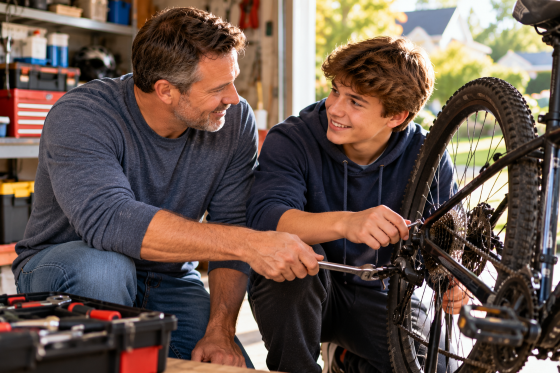
A teenager who isn’t ready for a heart-to-heart conversation may still appreciate help repairing a bicycle. A younger child might welcome an invitation to bake cookies or play a board game.
Pay attention to what your stepchild enjoys and participate without attempting to control the experience. Shared activities won’t replace accountability, but they can help restore the sense of comfort and companionship that existed before the conflict.
Over time, these small moments become part of a new pattern of reliability.
8. Recognize When Additional Help Is Needed
Not every breach of trust can be repaired through an apology and improved communication. Repeated verbal humiliation, serious dishonesty, intimidation, or other harmful behavior may require more structured intervention.
If your stepchild remains deeply distressed, becomes increasingly withdrawn, or expresses fear around you, consider seeking guidance from a qualified family therapist experienced with blended families. A counselor can help family members communicate safely, understand underlying concerns, and establish healthier patterns.
For Christian families, a pastor or faith-based counselor may also provide spiritual support. When significant emotional harm is involved, however, pastoral guidance should complement rather than replace appropriate professional care.
If the broken trust involves abuse or a threat to the child’s safety, protecting the child and obtaining qualified help must take priority over reconciliation.
Seeking assistance isn’t an admission that your blended family has failed. It demonstrates a willingness to take the relationship seriously enough to address problems that may be difficult to resolve alone.
9. Let Your Faith Shape How You Respond
For Christian stepdads, repairing a damaged relationship provides an opportunity to demonstrate biblical principles through everyday behavior. It’s one thing to teach children about forgiveness, humility, patience, and love. It’s another to practice those qualities when our own pride has been wounded.
Scripture reminds us:
This verse encourages compassion and forgiveness, but it shouldn’t be used to pressure a stepchild into overlooking harmful behavior.
Trust, meanwhile, must be supported by evidence that the relationship is becoming safer and more dependable.
As a stepdad, you can model these principles by acknowledging mistakes, extending grace when your stepchild struggles, and demonstrating patience when progress is slow. You can also pray for wisdom, self-control, and the humility to recognize behaviors you need to change.
Your example may teach your stepchild more about Christian character than a lengthy lecture ever could.
What If Your Stepchild Was the One Who Broke Your Trust?
Trust can be damaged in either direction. Perhaps your stepson lied about where he was going, your stepdaughter violated an agreed-upon boundary, or a child shared private family information with someone outside the household.
These situations require accountability, but the response should remain proportionate to the child’s age, maturity, and circumstances. Begin by understanding what happened and why. Work with your spouse, allowing the biological parent to take the lead on significant discipline decisions where appropriate.
Explain how the behavior affected trust, establish reasonable consequences, and identify specific steps that can restore confidence. Avoid labeling the child as dishonest or untrustworthy. Describe the behavior rather than defining their character.
For example, saying, “You weren’t truthful about where you went, so we need to rebuild confidence in our agreements,” is more constructive than declaring, “You’re a liar, and I’ll never trust you again.”
The same principle applies whether the person rebuilding trust is the adult or the child: accountability should create a path toward growth rather than permanent condemnation.
A Stronger Relationship Can Grow From an Honest Apology
No stepdad handles every situation perfectly. We become impatient, misread emotions, make promises we shouldn’t have made, and occasionally allow frustration to influence our words. What matters is how we respond when those mistakes hurt someone we love.
A damaged relationship doesn’t automatically become stronger because a conflict occurred. Growth requires honest reflection, changed behavior, and a willingness to remain accountable even when forgiveness takes time.
They’ll notice when you keep a promise, respect a boundary, listen without interrupting, or admit you were wrong. Over time, those experiences can help replace disappointment with renewed confidence.
Being a good stepdad isn’t about convincing your stepchildren you’re perfect. It’s about showing them you’re willing to grow, accept responsibility, and continue loving them through life’s difficult moments. Trust may be broken in a moment, but rebuilding it is a commitment demonstrated one day at a time.
Continue Building Trust in Your Blended Family
Repairing trust is only one part of developing a healthy relationship with your stepchildren. Whether you’re recovering from a mistake or building a connection with a child who remains cautious, patience and consistency make a difference.
For more practical guidance, explore our articles Building Trust With Your Stepson: 9 Ways to Earn Respect and Strengthen Your Bond and Building Trust With a Stepdaughter: What Every Stepdad Needs to Know. Both offer additional ways to develop meaningful connections through patience, respect, and everyday actions.