
Listen Before You Lead: Why Stepkids Need to Feel Heard
Building Trust with your Stepkids begins with Understanding their Feelings, Respecting their Voices, and Knowing when to Listen instead of Offering Advice


When you become a stepdad, it’s natural to want to make a positive difference in your stepkids’ lives. You want to offer guidance, establish healthy boundaries, and help them grow into responsible, confident adults. However, even the best intentions can fall short when children believe their opinions and emotions don’t matter.
For many stepkids, adjusting to a blended family involves more than accepting another adult in the household. They may grieve the family they once knew, struggle with divided loyalties, or wonder where they fit in their changing world. Sometimes, what looks like defiance is a child’s attempt to communicate feelings they don’t yet know how to express.
Before a stepdad can effectively lead, he must learn to listen. Children are more likely to accept guidance from someone who has demonstrated a genuine interest in understanding them.
Listening Is the Foundation of Trust
Trust doesn’t automatically come with marrying a child’s mother. It develops through everyday interactions, consistent behavior, and the assurance that a child’s feelings will be respected. A stepkid may initially see a new stepdad as an outsider, especially if past family experiences involved conflict, disappointment, or broken promises.
There’s also an important difference between hearing and listening.
When a stepdad gives his full attention without interrupting, criticizing, or immediately offering solutions, he shows the child their thoughts matter.
Trust grows when children learn they can speak honestly without every conversation turning into a lecture. A child who admits making a mistake or expresses frustration is taking an emotional risk. How a stepdad responds can determine whether that child feels comfortable opening up again.
Recognize What Your Stepkid Isn’t Saying

Children entering blended families often carry emotions adults underestimate. They may feel sadness about their parents’ separation, resentment toward unfamiliar household rules, or anxiety about disappointing a biological parent. Some worry that developing affection for a stepdad somehow betrays their biological father.
Not every child can explain these feelings. Younger children, in particular, may communicate through behavioral changes, withdrawal, irritability, or unusual silence. A normally talkative child who suddenly becomes quiet may be struggling with something they cannot easily describe.
Rather than immediately interpreting these behaviors as disrespect, look for patterns and changes. A relaxed drive, shared household project, or walk through the neighborhood may encourage conversation more effectively than direct questioning. The goal isn’t to force communication but to create an environment where children feel comfortable approaching you.
Practice the 70/30 Rule: Listen More Than You Speak
One practical approach is the 70/30 rule: aim to spend approximately 70 percent of a meaningful conversation listening and 30 percent speaking. This isn’t a scientific formula or something you need to track word for word. It’s a reminder that adults often dominate conversations, especially when children describe problems we believe we can solve.
Imagine your stepson comes home frustrated because his teacher accused him of not paying attention. Your first instinct might be to question whether he completed his assignments or remind him to respect his teacher. However, those responses may overlook what he’s trying to communicate.
Instead, ask, “That sounds frustrating. What happened?” Then give him time to explain without interruption. You might discover he was confused about an assignment, embarrassed in front of classmates, or upset about something unrelated to school. Understanding the situation allows you to respond more thoughtfully.
James reminds us that listening should come before speaking, especially when emotions are involved. Another passage reinforces the danger of forming conclusions before understanding someone’s perspective.
Not Every Problem Needs a Solution

Many stepdads are natural problem-solvers. When a child describes a difficulty, our instinct is to offer advice, explain what went wrong, or suggest how to prevent the problem from happening again. Although these responses may come from genuine concern, they can leave children feeling their emotions have been overlooked.
Sometimes, your stepkid isn’t looking for an answer. They simply want someone to understand why they’re upset. Before offering advice, consider asking a question that gives them some control over the conversation.
This question respects a child’s developing independence while keeping the door open for guidance. If they choose to talk without receiving advice, resist the temptation to turn the conversation into a teaching opportunity. You’ll have other opportunities to share your experience and perspective.
Validate Feelings Without Surrendering Boundaries
Suppose your stepdaughter becomes upset because she can’t attend an event with friends. She might complain that household rules are unfair or that her biological dad would have allowed her to go.
A defensive response could quickly turn the disagreement into a struggle over authority. A more constructive approach recognizes her disappointment while maintaining the boundary. You might respond, “I understand you’re disappointed because your friends are going. It’s okay to feel upset, but the decision hasn’t changed.”
In blended families, the biological parent should generally take the lead in significant disciplinary decisions, especially while the stepparent-child relationship is developing. A stepdad can support those decisions without turning disagreements into power struggles.
When You Fail to Listen, Acknowledge It

Even well-intentioned stepdads interrupt, jump to conclusions, become defensive, or misunderstand what their stepkids are trying to communicate. Perfection isn’t the goal; recognizing mistakes and trying to fix them is.
A stepdad who realizes he dismissed a child’s concerns can show humility. He might say, “I was so focused on explaining my position that I didn’t give you a chance to finish. I’m sorry. I’d like to hear what you were trying to tell me.”
Such an acknowledgment doesn’t weaken his authority. It demonstrates the accountability and respect he hopes to teach his stepkids. Children learn from how adults correct their mistakes, not merely from the instructions those adults provide.
Respect Their Relationship With Their Biological Father
A stepdad doesn’t need to replace a child’s biological father to become an important person in that child’s life. Attempting to compete for affection or authority can create unnecessary loyalty conflicts, particularly when children already feel caught between two households.
When stepkids speak positively about their father, listen without jealousy. When they express frustration about him, avoid criticism or taking sides. If your stepson says he misses spending weekends with his dad, acknowledge those feelings rather than treating the relationship as a threat.
A secure stepdad recognizes affection isn’t a competition.
Listening Should Be a Two-Way Street
While children deserve to feel heard, they must also learn to listen respectfully to others. A household where everyone has a voice isn’t necessarily one where everyone gets their way. Healthy communication requires mutual respect, patience, and a willingness to consider different perspectives.
A stepdad who consistently models attentive listening teaches these skills through example. When disagreements arise, encourage children to explain their concerns respectfully and allow others to finish speaking. These habits help establish a family environment where differences can be discussed without every disagreement becoming an argument.
Know When Listening Requires Action
Although listening is essential, some situations require more than understanding. Bullying, persistent sadness, threats, or concerning behavioral changes may call for intervention. If a stepkid describes being mistreated or feeling unsafe, take the concern seriously and involve the biological parent or appropriate professionals when necessary.
If you promise to discuss a concern with your spouse or help resolve a problem, do what you said you would do. Children notice when adults listen politely but never act, and consistent follow-through shows their voices matter.
Leadership Begins With Understanding
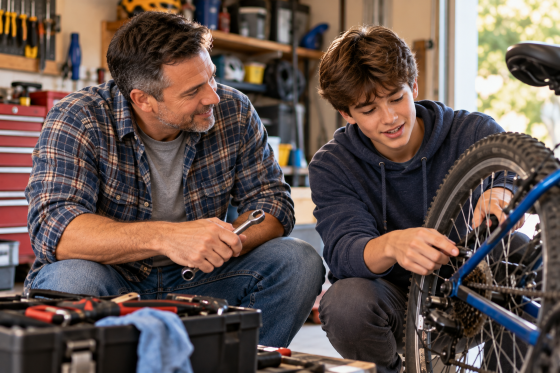
Meaningful conversations often emerge during ordinary activities such as preparing dinner, repairing a bicycle, playing video games, or driving to practice. These shared experiences ease the pressure of direct conversations and let relationships develop naturally.
Being a good stepdad doesn’t require having the perfect response to every problem. Sometimes your most valuable contribution is offering a patient ear, a thoughtful question, or a reassuring presence. Children need guidance, boundaries, and accountability, but they also need adults who recognize their emotions and take their concerns seriously.
As trust grows, your guidance may become more welcome because your stepkids recognize you’re interested in understanding them, not simply controlling their behavior.
Continue Building Trust With Your Stepkids
Listening is an important first step toward earning your stepkids’ trust, but strong relationships also require patience, consistency, and genuine understanding. Whether you’re raising a stepson or stepdaughter, each relationship presents unique opportunities and challenges.
For additional guidance, explore our companion articles, Building Trust With Your Stepson: 9 Ways to Earn Respect and Strengthen Your Relationship and Building Trust With A Stepdaughter: What Every Stepdad Needs To Know. Both offer practical strategies to strengthen communication, earn respect, and build meaningful relationships with your stepkids.