Why Your Stepchild Pulls Away When Things Are Going Well
Understanding Loyalty Binds, Emotional Conflicts, and how Stepdads can Respond with Grace

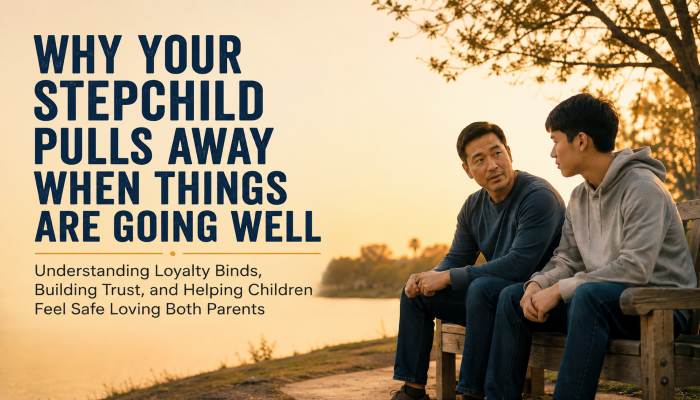
As a stepdad, few things are more confusing than watching your relationship with a stepchild improve only to see them suddenly pull away.
Perhaps you’ve spent months attending sporting events, helping with homework, or simply showing up consistently. Conversations have become easier. The tension seems to be fading. You begin to believe your relationship with your stepchild is finally moving in the right direction.
Then, without warning, everything changes.
The child who was once talkative becomes distant. The teenager who laughed at your jokes barely acknowledges you. Invitations are declined, conversations become shorter, and the connection you’ve worked so hard to build suddenly feels fragile.
Naturally, many stepdads assume they’ve done something wrong.
However, what if the opposite is true?
What if your stepchild pulls away because things are actually going well?
This surprising reality is one of the most common yet misunderstood blended family challenges. In many cases, the distance isn’t a sign of rejection. Instead, it may be evidence your stepchild is wrestling with complicated emotions they don’t fully understand themselves.
What Pulling Away Often Looks Like
When a stepchild pulls away, the signs aren’t always dramatic. More often, the changes are subtle.
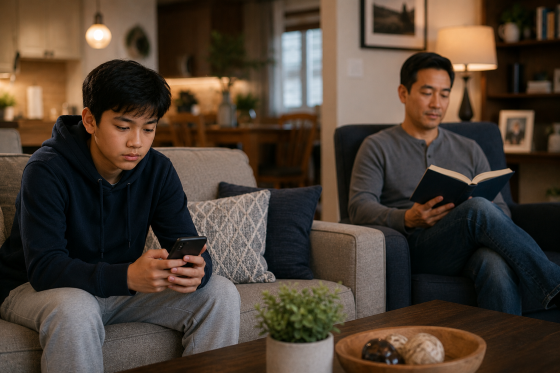
You may notice fewer conversations. They might spend more time in their room or on their phone. Family activities that once seemed enjoyable suddenly become optional. Eye contact decreases. Responses become shorter.
Furthermore, some children become irritated more easily. Others appear indifferent. A few may even become openly disrespectful.
For many stepdads, this behavior feels deeply personal.
After all, you’ve invested your time, energy, and emotions into building trust. When that trust appears to disappear overnight, it’s easy to feel hurt.
Yet understanding what’s happening beneath the surface can change how you respond.
The Hidden Role of Loyalty Binds
One of the most significant factors affecting stepfamily relationships is something family experts often call a loyalty bind.
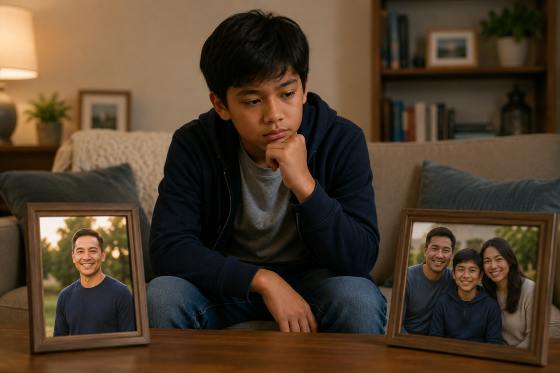
A loyalty bind occurs when a child feels caught between caring about a stepparent and remaining loyal to a biological parent. The child may genuinely enjoy spending time with you. They may appreciate your support and value your presence in their life.
However, those positive feelings can create emotional conflict.
A child may begin wondering:
-
“Am I betraying Dad if I like my stepdad?”
-
“Will Dad feel hurt if I enjoy spending time here?”
-
“Does loving one parent mean loving the other less?”
While adults understand love isn’t limited, children often struggle with that concept. As a result, many children attempt to reduce their discomfort by creating emotional distance.
Ironically, the closer your relationship becomes, the more intense these feelings can become.
That’s why a stepchild pulling away isn’t always a sign you’re failing. Sometimes it’s evidence the relationship has become meaningful enough to trigger complicated emotions.
Fortunately, stepdads aren’t powerless when it comes to reducing loyalty conflicts. In fact, one of the most effective ways to help a child feel safe loving both parental figures is to foster a respectful relationship with the biological father whenever possible.
Children who see the important adults in their lives treating one another with courtesy and respect often experience less pressure to choose sides.

Five Reasons Your Stepchild May Pull Away
1. They Feel Guilty About Caring for You
Many children experience guilt when they develop affection for a stepparent.
Although they may never admit it, they worry that enjoying your company somehow dishonors a biological parent. This guilt often increases if one parent is struggling emotionally or has expressed negative feelings about the remarriage.
Consequently, distancing themselves feels safer.
2. They’re Testing Your Commitment
Children who’ve experienced divorce, separation, or significant family changes often become cautious about trusting adults.
As a result, some children test relationships.
They may push you away to answer an important question:
“Will you still be here tomorrow?”
While the behavior can be frustrating, it often reflects insecurity rather than rejection.
3. They’re Struggling With Change
Many stepdads expect progress to occur in a straight line.
Unfortunately, that’s rarely how blended family relationships develop.
Instead, progress often looks like two steps forward and one step back. Children frequently alternate between connection and distance as they adjust to their new reality.
4. They’re Protecting a Parent
Some children feel responsible for a biological parent’s emotional well-being.
If they believe a parent feels lonely, hurt, or replaced, they may intentionally limit their relationship with a stepparent to avoid causing additional pain.
While well-intentioned, this dynamic places a heavy emotional burden on children.
5. They’re Simply Becoming Independent
Not every instance of withdrawal is related to being a stepfamily.
Teenagers naturally seek greater independence.
Sometimes what appears to be rejection is simply normal adolescent development. They aren’t pulling away from you specifically. They’re pulling away from everyone.
Although these reasons are understandable, many stepdads respond in ways that unintentionally increase the distance. That’s why understanding what not to do is just as important as understanding why the withdrawal occurs.
Common Mistakes Stepdads Make
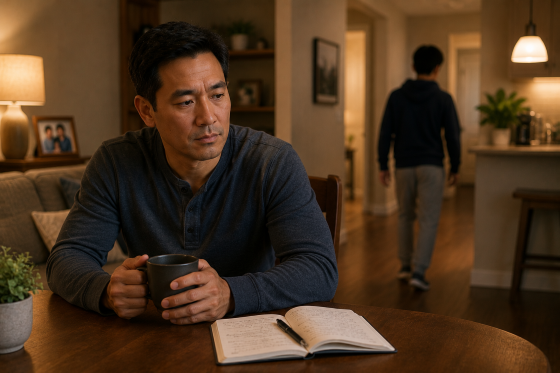
When a stepchild becomes distant, many stepdads unintentionally make the situation worse.
First, they take the behavior personally.
Second, they begin trying harder to force connection.
Third, they withdraw emotionally and stop investing in the relationship.
Unfortunately, all three responses can increase the distance.
One step-parenting coach identified taking children’s reactions personally and expecting rapid relationship development as two of the most common mistakes stepparents make. Successful blended families tend to allow relationships to develop naturally over time.
What Healthy Stepdads Do Instead
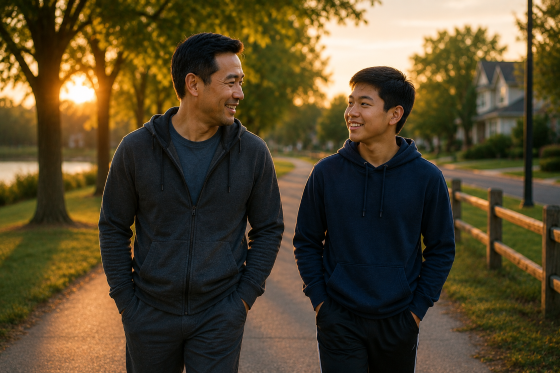
Stay Consistent
Children notice consistency.
Continue showing up.
Attend the game. Ask about school. Celebrate their successes.
Even when your efforts appear unnoticed, consistency communicates stability.
Lower Expectations and Increase Patience
One of the greatest blended family tips is understanding that meaningful relationships require time.
Many experts suggest that blended families often need years – not months – to fully adjust to new family structures.
Patience isn’t passive.
Patience is active perseverance.
Focus on Connection Instead of Control
Many experts recommend allowing the biological parent to lead discipline while the stepparent focuses primarily on relationship-building during the early years. This approach often reduces conflict and creates opportunities for trust to grow naturally.
Rather than focusing on authority, focus on connection.
Listen more.
Lecture less.
Show interest in their hobbies.
Find opportunities to enjoy one another without pressure.
Give Them Permission to Love Everyone
One of the most powerful gifts a stepdad can give a child is freedom from choosing sides.
Tell them it’s okay to love their mother.
Tell them it’s okay to love their father.
And remind them that caring about you doesn’t diminish those relationships.
When children no longer feel trapped between loyalties, relationships often become healthier.
Children shouldn’t have to hide their affection for one household while visiting the other. When stepdads openly encourage children to love and respect both parents, they help remove much of the emotional pressure that fuels loyalty conflicts. Consequently, children often become more comfortable developing healthy relationships with everyone involved.
A Biblical Perspective for Christian Stepdads
Christian stepdads have a unique opportunity to model God’s unconditional love.
Love isn’t earned.
Love isn’t withdrawn when it’s not returned.
Love remains steady.
Scripture reminds us:
Patience may be one of the most important qualities a stepdad can demonstrate.
Likewise, James encourages believers:
When your stepchild pulls away, your calm and consistent response often speaks louder than any lecture ever could.

Practical Steps You Can Take This Week
If you’re currently experiencing distance from a stepchild, consider taking these practical steps:
-
Continue showing interest without applying pressure.
-
Schedule one low-stress activity together.
-
Avoid demanding emotional closeness.
-
Encourage your spouse’s relationship with the child.
-
Pray daily for wisdom and patience.
-
Focus on being available rather than being appreciated.
Most importantly, don’t quit.
Final Thoughts
One of the hardest realities of stepfathering is that progress doesn’t always look like progress.
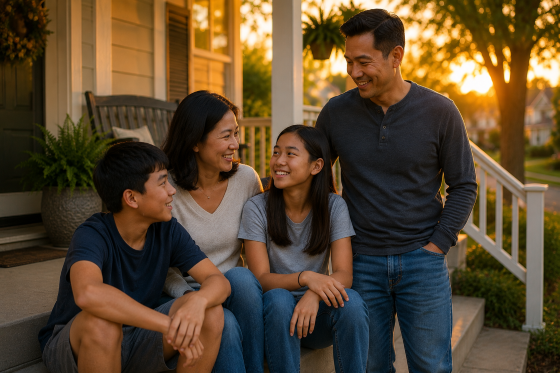
Sometimes a stepchild pulls away precisely because the relationship is becoming important. They may be struggling with loyalty binds in blended families, adjusting to change, or simply learning how to navigate complicated emotions.
Therefore, don’t assume distance means failure.
Instead, continue showing up.
Continue listening.
Continue loving.
In addition, children benefit tremendously when the adults in their lives refuse to compete for their affection. Whenever possible, stepdads who pursue peace with biological parents help create an environment where children feel free to love both households without guilt or fear.
Over time, many children discover that caring about a stepdad doesn’t require loving a parent any less. And when that realization finally takes hold, the trust you’ve patiently built often becomes stronger than ever.
The stepdads who make the greatest impact aren’t necessarily the ones who receive immediate appreciation. They’re the ones who remain faithful, consistent, and loving when relationships become difficult.
That’s what building trust with stepchildren truly looks like.
Remember, a stepchild’s temporary distance doesn’t always mean you’re losing ground. Sometimes it simply means they’re working through emotions they don’t yet know how to express. Keep showing up. Keep loving. Keep building trust. The seeds you plant today may bear fruit long after you can see the results.
Let’s Learn From One Another
Building trust with a stepchild is rarely a straight path. Sometimes the greatest breakthroughs come after periods of distance and uncertainty.
What advice would you give a stepdad whose stepchild has suddenly become withdrawn?
Leave your best tip in the Comments below. Together, we can help strengthen blended families and support stepdads around the world.