Seeing Beyond The Surface: How Stepdads Can Transform Relationships By Changing Perspective
Shift your Perspective to Build Trust and Stronger Connections with your Stepchild


The Moment That Changes Everything
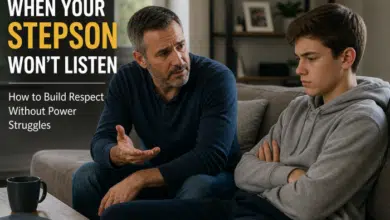
There’s a moment every stepdad experiences – but not every stepdad recognizes. It doesn’t come with a warning or a clear signal. Instead, it shows up in the middle of everyday life, often when emotions are already running high. It might be a slammed door after a simple request, a one-word answer when you’re trying to connect, or a look that feels dismissive – even disrespectful.
In those moments, it’s easy to take things personally. It can feel like rejection. It can feel like failure. It can even feel like you’re doing everything wrong despite your best efforts.
That realization can change everything. Because in that exact moment, you face a choice. You can react emotionally based on what you see, or you can pause and learn to see differently. Most stepdads react – that’s natural. You care, you’re invested, and you want to lead well. But what if the behavior you’re seeing is only part of the story?
What if that resistance is actually fear? What if that silence is confusion? What if that attitude is hurt that hasn’t yet found the right words? When you begin to ask those questions, your perspective starts to shift. And when your perspective shifts, your response begins to change. That’s where real transformation begins.
Picture a simple scenario. You ask your stepkid to help with something around the house, and they respond with attitude. In that moment, it’s easy to clamp down and correct the tone. However, if you pause, you might recognize they just came from a difficult interaction at school or are wrestling with emotions they don’t understand. That pause is where better leadership begins.
The Power of Patience and Perspective
Blended families are built differently than traditional families. In many cases, relationships don’t develop from the beginning – they are formed later, often under complicated emotional circumstances. That means trust isn’t automatic. It must be built over time.
While love between spouses can grow quickly, trust between a stepdad and stepchild often develops much more slowly. That gap can be frustrating. You show up, you invest time, and you try to connect, yet instead of appreciation, you experience distance or resistance.
This is where perspective becomes critical. Your stepchild didn’t choose this situation the same way you did. They are adjusting to changes in their environment, their relationships, and sometimes even their identity within the family.
That shift creates space for patience. And patience communicates something powerful: “I’m here, and I’m not going anywhere.”
Over time, that consistency builds credibility. And credibility is what ultimately builds trust. The stepchild who once resisted your presence begins to see you as steady, predictable, and safe. That shift rarely happens overnight, but it always begins with patience.
Why Stepkids Push Back (What It Really Means)
When a stepchild pushes back, it’s easy to interpret it as disrespect. However, in many cases, it’s something deeper. Pushback often reflects internal struggles that have nothing to do with your intentions as a stepdad.
A child may feel that forming a bond with you somehow betrays their biological parent. That creates a loyalty conflict they may not fully understand. In other situations, they may feel uncertain about their role in the family.
These emotions rarely come out in clear conversations. Instead, they show up as behavior – short responses, avoidance, or attitude. Behavior becomes the language they use when they don’t have the words.
If you only respond to behavior, you miss the message.
For example, a teenager who withdraws might not be rejecting you – they may simply be protecting themselves. When you respond with patience instead of pressure, you create a safer environment for connection to grow.
Choosing Connection Over Correction
You see something that needs guidance, and you step in. However, without a strong relational foundation, correction often backfires.
Instead of being heard, your words feel like control. Instead of building respect, they create resistance. That’s why connection must come before correction.
Connection is built through small, consistent moments. It might be sitting together, asking questions, or simply listening without trying to fix things.
These moments communicate value and build trust.
Without it, advice sounds like criticism. With it, guidance feels supportive.
Over time, this approach changes the dynamic. Instead of bracing for correction, your stepchild begins to open up. That openness is where influence is built and where meaningful change becomes possible.
Bonding Takes Time (And That’s More Than Okay)
Many stepdads carry an expectation: “We should be closer by now.” That expectation creates pressure, and pressure rarely produces connection.
Healthy stepfamily relationships are built slowly. Some days will feel like progress. Others will feel like setbacks. Many will feel neutral.
However, neutral doesn’t mean nothing is happening. Every calm response matters. Every consistent effort matters. You are laying a foundation that will strengthen over time.
Think of it like building trust brick by brick. Each positive interaction adds to something bigger. Eventually, those small moments create a strong, stable relationship that can withstand conflict and grow over time.
When You See Differently, You Lead Differently
Perspective drives behavior. When you change how you see your stepchild, your actions naturally begin to change. You become more patient and less reactive.
That shift creates a different environment. Over time, your stepchild feels that difference, and trust begins to grow.
Eventually, they respond differently – not because you forced change, but because you created the conditions for it. That is what effective leadership looks like in a blended family.
Seeing Them the Way God Sees Them

When you choose to see your stepchild through a lens of compassion, your role transforms. You become a steady presence rather than just an authority figure.
Even when progress feels slow, your consistency plants seeds that will grow over time. The impact may not be immediate, but it is meaningful and lasting.
Practical Ways to Shift Your Perspective Today
Pause before reacting. Replace assumptions with curiosity. Look for small wins. Stay consistent. Play the long game.
These habits create meaningful, lasting change that strengthens your relationship over time.
The Long-Term Payoff Most Stepdads Miss

The impact you’re making today may not show up today. It may appear years later in trust, connection, and relationship strength.
You are planting seeds – and those seeds matter more than you realize. The consistency you show now becomes the foundation for the relationship you will have in the future.
Conclusion: Lead With Vision, Not Just Reaction
Stepfathering is about leading with vision, not reacting in the moment. When you choose to see beyond behavior, you respond with purpose instead of emotion.
That shift creates a powerful ripple effect. It reduces tension, builds safety, and opens the door for trust.
The next time you face resistance, pause. It may not be rejection. It may be a child learning how to trust again.
And you have the opportunity to guide that process – one patient, intentional moment at a time. That is where lasting relationships are built.
Additional Practical Insight
To strengthen this even further, consider how consistency compounds over time. Small, repeated actions – like greeting your stepchild warmly, asking about their day, and following through on what you say – build a sense of reliability. Reliability builds trust, and trust builds connection.
Another practical approach is to focus on shared experiences. Simple activities like driving together, grabbing a meal, or working on a small project can create natural opportunities for connection without pressure. These moments often open the door for conversation in ways that direct questioning cannot.
Finally, remember that your tone matters as much as your words. A calm, steady tone communicates safety, even in moments of tension. Over time, that tone becomes part of the emotional environment you create in your home.