September Preparedness: Keeping Your Family Safe In Times Of Crisis
Practical Steps Every Household Can Take for Peace of Mind

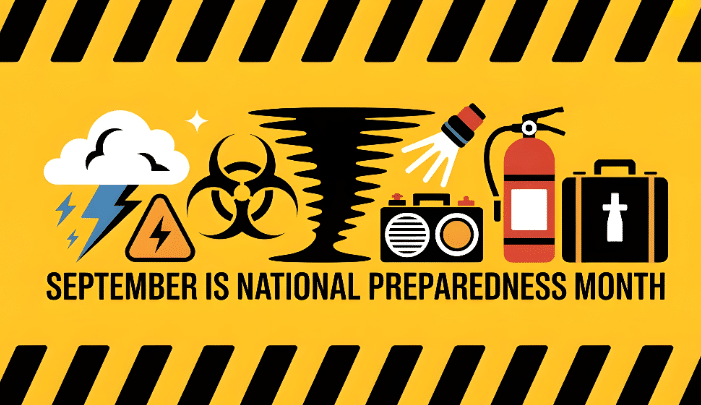
When it comes to your family, it’s important to feel as safe as possible. It may seem scary to think about potential safety hazards, but it’s time to start planning now. September is disaster preparedness month, the perfect opportunity to discuss safety planning.
While it is not necessary to be fearful, being aware can prevent problems down the road. When we are ready for potential disasters, it is much easier to keep our families safe. Whether you live in an area with a high chance of tornadoes or own a house near coastal waters, it’s important to know your surroundings.
Disaster preparedness can also include potential safety hazards, such as break-ins or home invasions. Educating your family on what to expect can prevent panic during stressful situations. Here is everything you should discuss with your family when preparing for disasters.
Have a Plan in Place
Danger can occur at any moment, even in the comforts of your own home. Having a plan ahead of time can reduce panic, especially in children. It is natural for a little fear to occur in your family members, but a plan will give everyone peace of mind.
Set up survival bags with basic materials when in a dangerous situation. When the only thing you can do is run, have everything pre-packed ahead of time. Also, create an inventory of what you need for particular disasters.
For example, if you live in an area that often experiences wildfires, you’ll want to have all the basics in case of evacuation. Set up food storage now and maintain your home so that you can make repairs. Set up a plan for every kind of disaster, even if it may never happen.
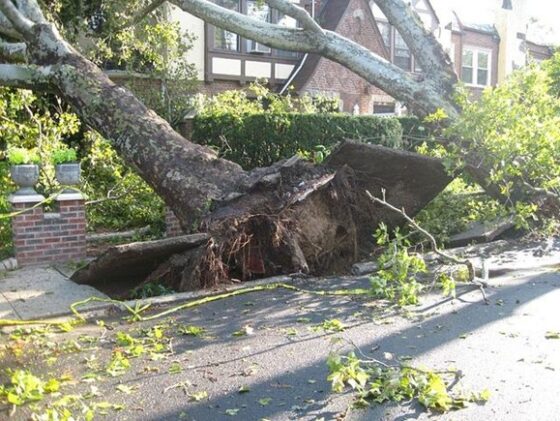
Discuss Different Types of Emergencies
Natural disasters are not the only potential safety hazard. Emergency preparedness can include many problems that are often overlooked. For example, teaching all your children how to make a 911 call could save a life. Here are some of the most common safety hazards your family could experience:
-
-
Danger to Life and/or Health
- Examples include heart attacks, brain trauma, or strokes.
- Also includes non-life-threatening but serious health concerns like broken limbs.
- Immediate dangers to people living in the household (i.e., suicidal ideation)
-
Danger to Property
- Includes dangers associated with fires or damage to the building.
- Evacuation as a result of a health hazard relating to the home.
-
Natural Disasters
-
Dangers associated with natural disasters of any kind.
-
Examples include tornadoes, hurricanes, or wildfires.
-
Any natural disaster that puts the household in danger.
-
-
Talk About What to Do
It is one thing to plan for a disaster, but it is another thing to know what to do when it occurs. This can be a potential obstacle for younger children who may not understand or like what’s going on. But, if taught well, a young child is capable of being a leader during a dangerous situation.
Have a calm but firm conversation about what to do if things go wrong. Assure them that you will do everything you can to keep them safe by taking specific steps. Show them who to contact during emergencies and what to do if they are in danger.
Discuss Important Details
In the case of an emergency, decide on a designated meeting place for your family members. This could mean the end of the street, a grassy area outside of your home, or a safe public area like a fire station.
Have your numbers available for your children to contact you at all times. Give them their neighbor’s numbers in case of an emergency, and teach them how to make a call to 911. Have a definitive list of emergency numbers that they can refer to when they are home alone.
Have a basic survival kit available for potential emergencies. Having basic necessities like a first aid kit, extra clothing, and water can prevent a dangerous situation from escalating. Always be ready for anything, and make everything very clear for your children.
Teach Basic First Aid
Knowing basic first aid could save a life during a disaster. If your children are old enough to take a class, that is ideal. Even so, an introductory lesson could equip your younger children with everything they need.
Teach your family how to stay calm during a dangerous situation. Although panic is normal, it can be controlled. Be a role model for your children by displaying the same amount of courage that you expect out of them.
Have a first aid kit ready when you find a safe place to take shelter. Know how to do CPR and be ready for anything. The more prepared your family is, the safer you’ll all be. Make a plan and be ready for any potential disaster that could affect your family.
Family Communication Plan
During a disaster, communication networks may be overloaded or unavailable. Prepare a family communication plan to ensure everyone knows how to connect and where to go. Designate an out-of-town relative as a central contact in case local networks fail.
Teach children how to text short, simple emergency messages, as texts are often more reliable than calls. Practice sending and receiving emergency updates, such as “I’m safe. At Aunt Lisa’s.”
Age-Appropriate Training
Every family member can play a role in disaster preparedness. Tailor training by age group:
-
- Young Children: Teach them to recognize alarms, follow parents calmly, and remember their full name.
- Teens: Train them to use fire extinguishers, administer CPR, and help care for younger siblings.
- Elderly Relatives: Consider mobility challenges, medical devices, and keep extra medications in emergency kits.
Planning for Vulnerable Family Members and Pets
Families with members who have disabilities should plan for special equipment, mobility aids, or medical needs. Include necessary items in go-bags to ensure comfort and safety. Don’t forget pets—pack food, leashes, and carriers. Identify shelters or friends who can care for pets, as many emergency shelters do not accept animals.
Practice and Review
Preparedness plans are most effective when practiced regularly. Conduct family drills for different scenarios such as fire, evacuation routes, and shelter-in-place. Review and update survival kits every 6–12 months by rotating food, batteries, and medicines. Make preparedness a family activity to build confidence and reduce fear.
Mental and Emotional Preparedness
Disasters can cause trauma and fear, especially in children. Prepare comfort kits with items like toys, books, or blankets to provide reassurance. Encourage open conversations about feelings before and after emergencies. Parents should model calmness and provide reassurance through both words and actions.
Community Resources
Familiarize your family with local evacuation routes, community shelters, and warning systems such as sirens or text alerts. Sign up for emergency notifications from your city or county to receive real-time updates during a crisis. Knowing where to go and what resources are available strengthens your family’s ability to respond effectively.
Faith and Resilience
Faith can provide strength and peace of mind in times of crisis. Encourage your family to rely on prayer, scripture, and community support during emergencies.
Fostering spiritual resilience alongside practical preparedness ensures your family is equipped in every way.