
The Impact Of Tariffs On Family Finances
Simple Strategies for Families to save Money and stay Resilient

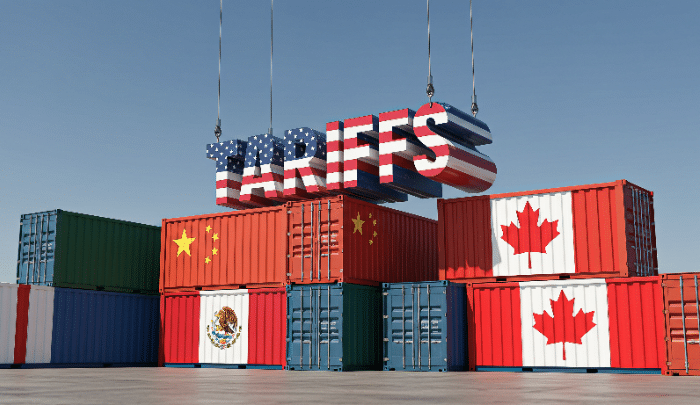
When news headlines mention tariffs, pay attention. Until very recently, they haven’t been of huge concern in the US. That means the current tariff rules are new and confusing to, well, everybody who isn’t an economist. That’s most of us!
So what are tariffs, and what can we expect from them? How can families prepare for the economic reality these new trade restrictions create? Let’s dig in.
What Are Tariffs?
Tariffs are taxes on imported goods. They effectively serve as a trade barrier, increasing the prices of imported items for consumers and businesses. They’re supposed to be paid by importers. The assumption is that foreign companies will lower their prices to sell in America, but that hasn’t happened.
Consumers are shouldering the burden to the tune of over $1200 a year for basic goods. And economists point out that the tariffs will not make up the additional deficit caused by corporate tax cuts, further shifting the economic burden to us.
As a concept, tariffs are not inherently harmful. The economies of many other countries have been tariff-driven for years. But the sudden, dramatic increase and imposition of high tariffs have created instability that is impacting consumer finances.
It’s families that are feeling it. Unfortunately, tariffs have a disproportionately large impact on low-income families. Wealthier households can absorb costs that low-income families cannot.
The Impact of Tariffs on American Families
Are there any upsides to tariffs for families? In the past, they offered improved national security and stability. However, this time around, we aren’t seeing that because the global market has undergone significant changes.
Harvard economist Robert Lawrence points out that the US is only involved in about 12% of global trade, warning the rest of the world may decide they can get along without our products.
For example, China, the world’s largest soybean buyer, has refused to purchase American soybeans this year as a form of retaliation for the tariffs. That means a $25 billion loss of revenue, plus additional losses as farmers either have to pay for storage or take a lower selling price from other trade partners and domestic sales.
Another supposed advantage is that tariffs will help restore American manufacturing jobs. However, nonpartisan economic research has found that even extreme tariffs could never increase manufacturing jobs to more than 10% of the labor force. In fact, over the past year, America has lost 78,000 manufacturing jobs; 12,000 of those jobs disappeared in August, the first month of tariff implementation.
So what does this mean for your family?
Working through Instability Together
First off: don’t despair. The US has experienced tougher times and more challenging economies. There are far more essential things in this world than money, including family unity, love, and faith. What matters most is that your family stays united. Along the way, show your children how to be wise stewards and make informed financial decisions.
For example, if your family needs a new vehicle, does it make sense to buy one right off the lot or buy last year’s model? Cars typically lose between 20% and 40% of their value in the first year, making a gently used car a more sensible choice.
Kids need a break from school, but they don’t need expensive vacations. Instead, get your kids involved in planning local trips. Are there cool little towns nearby you’ve never visited? How about a nostalgic visit to a local amusement park, or a scavenger hunt in a state or county museum?
What about fun activities at home that the kids have always wanted to try? Kids remember quality, not quantity. They remember when you’re present and supporting them, not how much money you spend.
Shopping small and local is also vitally important during these tough economic times. Our farmers desperately need American support. One of the best ways you can do this is by shopping at local farmers’ markets.
Buy local produce, or join a CSA/crop-share program. Focus on eating fruits and veggies that are in season; not only are these healthier and tastier, they don’t have to travel so far to get to you, and that keeps prices down.
As far as entertainment goes, your local library has a world of free opportunities. Libraries don’t just have books; they have movies, music, and even video games. Many small libraries partner with bigger institutions to expand their offerings, and one of the hottest trends in libraries today is the “library of things.”
Sewing machines, power tools, sometimes even cooking supplies like fancy cake pans– you don’t know what’s at your library until you look! Libraries also provide access to audiobooks through apps like Libby and Hoopla – for free! All you need is a library card.
As parents and stepparents, we can use these lessons to discuss wise decision-making with our children. Leaders and policymakers struggle to balance protection and affordability, just as we do when making tough decisions in our own homes.
As we’re instructed in Philippians 2:4,
When you make decisions for the good of the family, it provides a great model of family leadership for the kids.
Guiding Your Family With Confidence
The tariff situation has left many families afraid and confused– but yours doesn’t have to be. You can approach the tariff situation with confidence by spending responsibly and being mindful of the financial decisions your family makes. As you budget, make family decisions, or guide your stepchildren through life, understanding tariffs offers a chance to teach resilience and stewardship.
And at the end of the day, trust in God’s provision. While policies may change, His care for families never does.
As families, we may not control trade policies or global markets, but we can control how we respond to them. By making wise financial choices, leaning on faith, and standing together, we can weather economic challenges with confidence. Your experiences and creativity matter—share your best money-saving tip in the Comments below and encourage other stepdads and families to thrive together.